

From Authority to Authenticity: How Interview Videos Build Executive Trust at Scale
Authority used to be built through titles, credentials, and polished corporate messaging. Today, authority is built through presence, clarity, and authenticity. Audiences no longer respond to distant leadership or abstract brand statements. They want to understand who is leading an organization, how that person thinks, and whether they can be trusted. This is where executive interview videos have become one of the most powerful tools available to modern leaders.

Trust is not established through perfection. It is established through consistency, confidence, and transparency. When CEOs and presidents speak directly to camera in a well-structured interview setting, audiences gain insight into the individual behind the role.
They hear tone, see body language, and observe how ideas are communicated. These subtle human cues matter more than scripted messaging because they signal credibility in ways text and traditional advertising cannot.
Executive interview videos allow leaders to move from authority by position to authority by presence. A title may grant status, but presence earns respect. Interview-style video gives executives the opportunity to explain their decisions, articulate their values, and address real-world concerns in their own words. This direct communication builds familiarity, and familiarity builds trust. Over time, audiences begin to feel as though they know the person leading the organization, even if they have never met them.
Authenticity is often misunderstood. It does not mean being unprepared, overly casual, or unfiltered. True authenticity comes from clarity and alignment. An executive who understands their message and communicates it confidently appears far more authentic than one who is attempting to perform or impress. Professional interview video production supports authenticity by removing distractions and allowing the speaker to focus on what matters: the conversation.
One of the most significant advantages of interview videos is their ability to humanize leadership without diminishing authority. In traditional advertising, leaders are often invisible, hidden behind branding or spokespersons. In interview videos, leadership becomes visible and accountable. This visibility signals confidence. It shows that executives are willing to stand behind their decisions and communicate openly with their audience.
From a psychological perspective, trust is built when audiences perceive competence and warmth simultaneously. Interview videos allow both to be communicated at once. Competence is conveyed through clear thinking, structured answers, and subject-matter expertise. Warmth is conveyed through tone, eye contact, and natural expression. When these elements are balanced, executives appear credible without seeming distant or unapproachable.
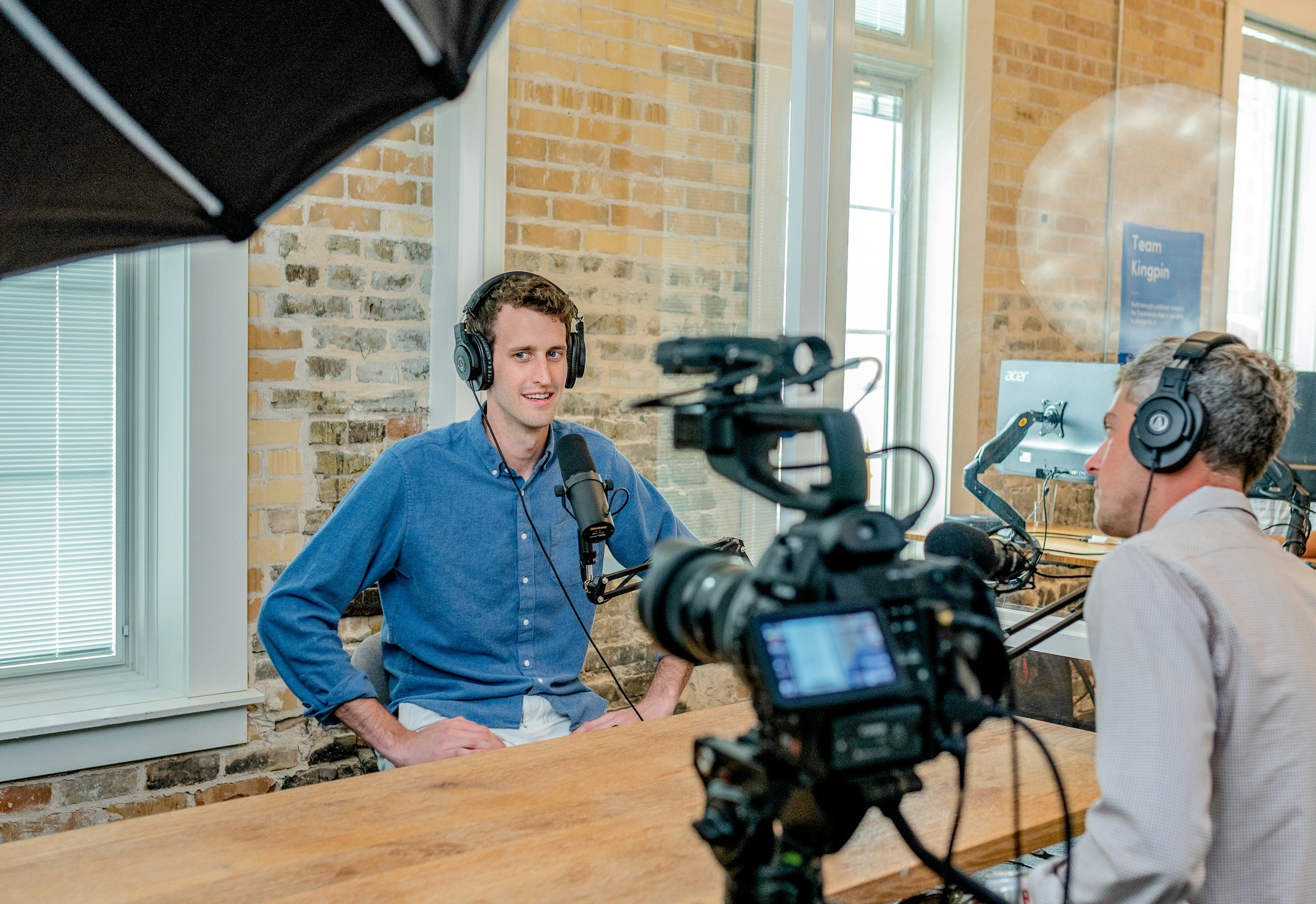
Unscripted but guided interviews consistently outperform scripted messaging because they feel real. Audiences can sense when a message has been overly rehearsed.
Interview videos, when properly directed, strike a balance between preparation and spontaneity. Strategic questions guide the conversation while leaving room for genuine responses. This approach ensures the message remains focused without feeling forced.
Executive presence on camera plays a critical role in how messages are received. Small details such as posture, pacing, and eye line can significantly influence perception. Professional interview production takes these factors into account, shaping the visual and auditory experience in a way that reinforces authority and confidence. Lighting, framing, and sound are not cosmetic details; they are communication tools.
Environment also matters. An interview filmed in a thoughtfully selected setting reinforces context and credibility. Whether filmed in an office, on-site at a project, or within a controlled studio environment, the background should support the message rather than compete with it. Clean, intentional environments signal organization and professionalism, while cluttered or poorly chosen spaces create unnecessary distraction.
Another reason interview videos build trust so effectively is their adaptability across platforms. Short clips extracted from longer interviews allow executives to maintain consistent visibility without constant production demands. These clips can be shared across professional networks, websites, and internal communications, reinforcing leadership presence over time. Consistency is a critical component of trust, and interview video makes consistency achievable.
For internal audiences, interview videos are equally powerful. Employees want to understand leadership vision and direction, especially during periods of growth or change. Hearing directly from executives fosters alignment and reduces uncertainty. When leadership communicates openly, it strengthens culture and reinforces confidence within the organization.
In high-end and professional industries, trust is often the deciding factor in whether a relationship moves forward. Interview videos provide a way to establish that trust before the first conversation even takes place. Prospective clients, partners, or investors arrive already informed and reassured, having heard directly from leadership. This shortens decision cycles and improves the quality of engagement.

At Bridlepath, executive interview videos are designed with trust as the primary objective. Every aspect of production is considered through the lens of credibility and clarity.
From pre-interview planning to final delivery, the process is structured to support authentic communication while maintaining a refined, professional aesthetic. The result is video content that elevates leadership presence rather than overshadowing it.
As audiences continue to prioritize transparency and connection, executive interview videos will only grow in importance. Authority is no longer asserted; it is demonstrated. Leaders who are willing to speak clearly, thoughtfully, and visibly will continue to earn trust at scale. Interview-style video provides the platform for that leadership to be seen, heard, and understood.
Jan 14, 2026