

Virtual staging has a reputation problem, and it usually comes from one thing: people confusing “showing potential” with “misleading.” Done poorly, it can feel like a trick. Done properly, it’s one of the most practical tools in modern real estate marketing—especially for empty homes and unfinished spaces where buyers struggle to visualize scale, function, and layout from photos alone.
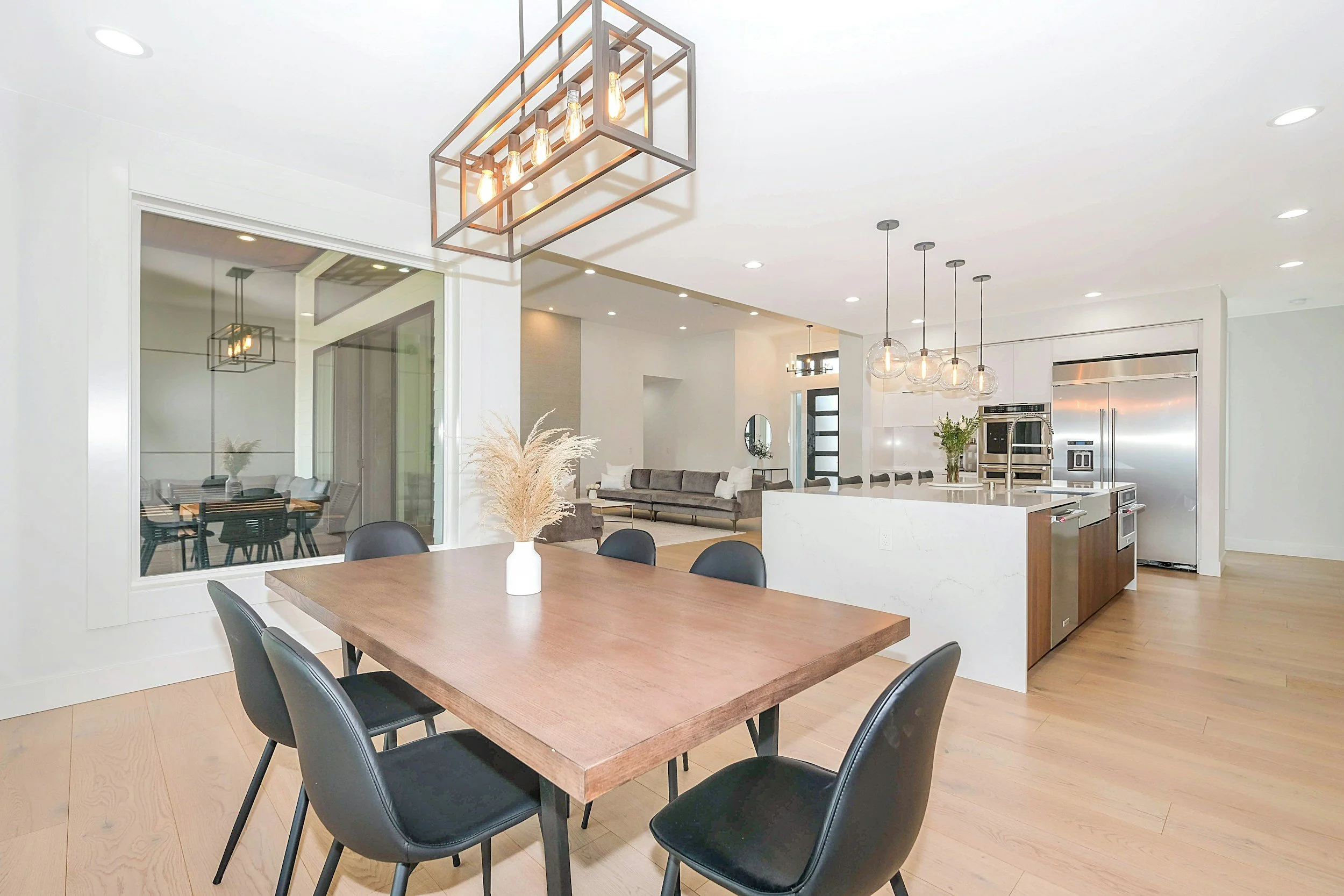
At Bridlepath Photography, we treat virtual staging as a clarity tool, not a cosmetic one. The goal isn’t to make a home look like something it isn’t. The goal is to help a buyer understand what the space can become, and to do it in a way that still feels honest, tasteful, and realistic.
The first principle is simple: disclose it. Virtual staging should never be presented as if it’s an actual furnished room. In most cases, it only takes one line in the listing description or photo notes—something clear like “Virtually staged.” That small disclosure protects everyone: the agent, the seller, and the buyer. It also removes the emotional whiplash of a buyer arriving at a showing expecting furniture that isn’t there. Transparency builds trust, and trust is what converts interest into offers.
The second principle is to keep it realistic. The fastest way to undermine a listing is to stage a room with furniture that doesn’t fit, styles that don’t match the home, or a layout that ignores real-world use. Buyers are surprisingly good at sensing when something feels off, even if they don’t articulate it. Realistic staging means appropriate scale, believable spacing, and furniture placement that respects doors, windows, walk paths, and focal points. It also means choosing a style that matches the home’s architecture and price point. A sleek modern staging set in a traditional home can feel wrong. Overly trendy pieces in a timeless luxury space can cheapen the impression. The staging should feel like it belongs there.
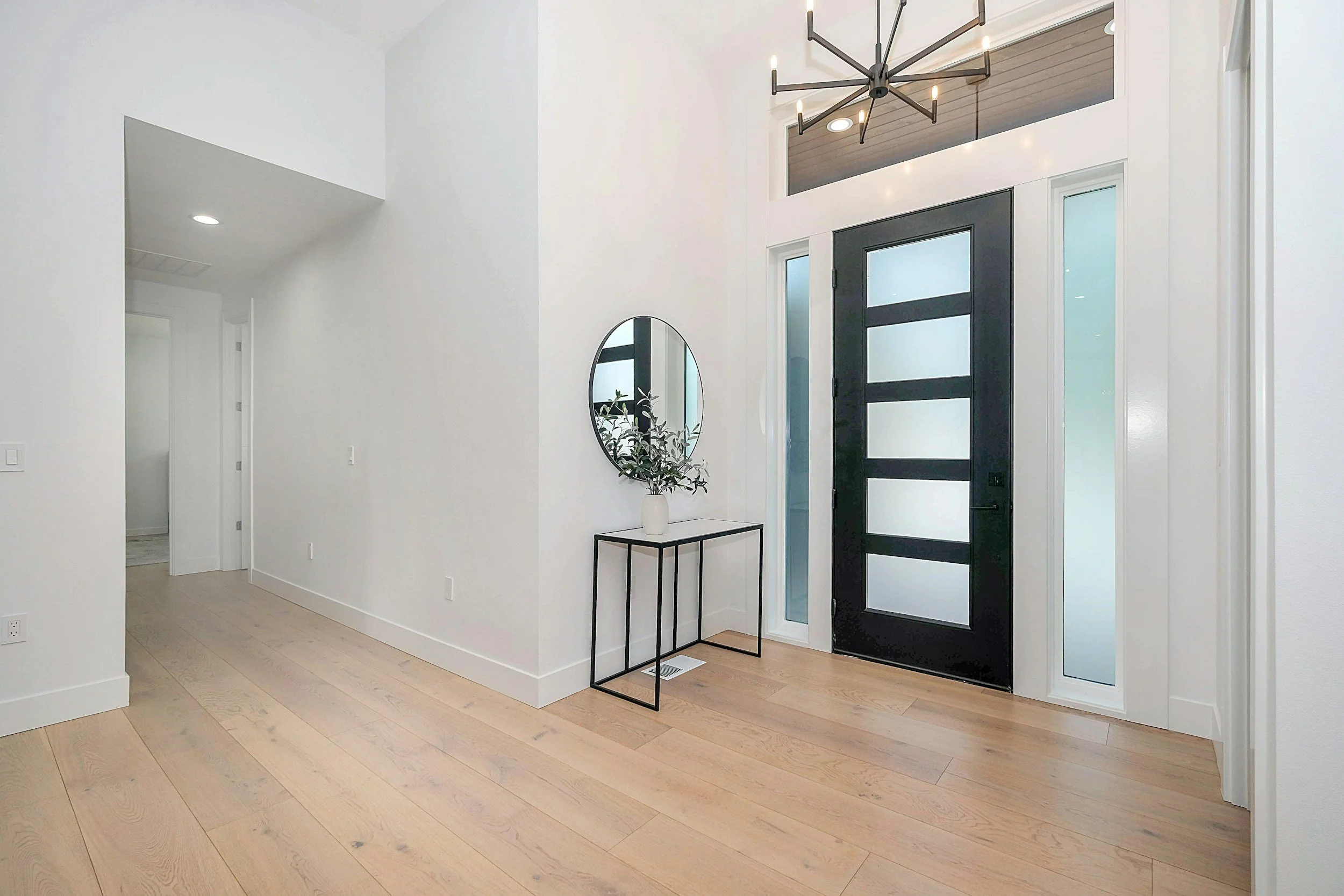
The third principle is use it where it actually matters. Virtual staging is at its best in three situations: empty rooms, awkward rooms, and unfinished spaces. Empty rooms often photograph colder and smaller than they feel in person, and buyers struggle to judge scale without reference. Awkward rooms—long living areas, open concept zones, bonus rooms—can confuse buyers because they don’t instantly know the purpose. Unfinished basements are the biggest one. A concrete basement creates uncertainty: “How much will it cost?” “What would I do down here?” “Is it worth it?” Virtual staging solves that by showing a clear, believable plan: a family room, theatre, gym, guest suite, office, or play area. The buyer stops seeing “unfinished” and starts seeing “future value.”
That said, virtual staging should never be used to hide problems or fabricate features. It shouldn’t remove structural columns, change window sizes, cover damage, or pretend renovations exist. That’s where staging crosses the line from helpful to deceptive. Ethical staging stays within the boundaries of the space as it exists. It shows furniture and function, not fantasy.
In practice, the best virtual staging is subtle. It doesn’t scream “render.” It supports the real photography instead of fighting it. That means matching lighting direction, keeping shadows believable, respecting reflections, and maintaining the natural mood of the home. When it’s done right, a buyer doesn’t think, “Oh, they staged this.” They think, “This room makes sense.”
Virtual staging also works best when it’s part of a broader plan, not a random add-on. We typically recommend selecting a small number of key spaces that benefit most from visualization—often the main living area, primary bedroom (if vacant), one secondary bedroom (to show versatility), and any problematic or unfinished area like the basement. You don’t need to stage every room. Over-staging can feel artificial and distract from the real strengths of the property. A focused approach keeps the listing credible while still giving buyers what they need.
There’s also a marketing benefit that’s easy to overlook: staged photos usually perform better online. They get more saves, more shares, and more engagement because they communicate lifestyle. Buyers don’t just want dimensions—they want a story about how they’ll live in the space. Virtual staging gives them that story quickly, and in a market where decisions are made in seconds, speed of understanding is everything.
When virtual staging is disclosed, realistic, and used in the right spaces, it becomes one of the cleanest ways to reduce buyer uncertainty without changing the home. It doesn’t replace in-person experience. It simply makes the buyer more likely to schedule that visit in the first place.
If you’re listing an empty home or trying to sell a property with unfinished areas, the question isn’t whether virtual staging is “ethical.” The question is whether you’re using it responsibly—as a truthful visualization tool that shows potential clearly. Done right, it doesn’t mislead buyers. It helps them see what they otherwise would miss, and it helps great homes sell faster because buyers understand them sooner.